
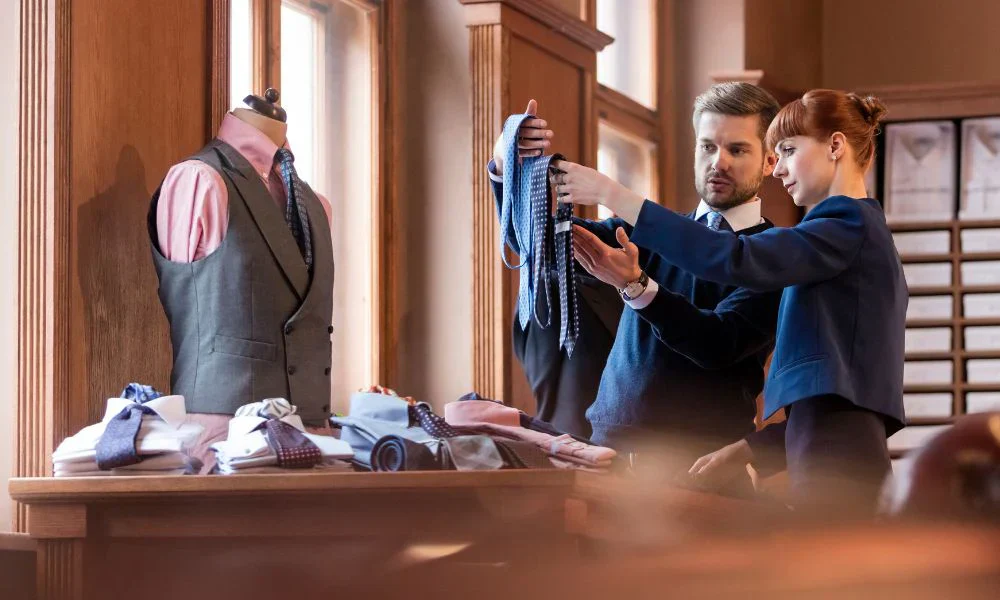
Fine needlework, executed with patience and technical mastery, introduces subtle texture and dimension that machine finishing cannot replicate. Style enthusiasts seeking the best tailor bangkok understand that these artisanal touches influence both durability and visual refinement. Every carefully placed stitch shapes lapels, secures linings, and enhances the natural drape of premium fabrics. The tactile quality of handwork communicates authenticity and exclusivity in formal settings. Such craftsmanship transforms tailored clothing into a statement of precision and personal distinction.
Artisanal Techniques Defining Garment Character
Hand stitching allows flexible construction that adapts to body movement without strain. Padded lapels achieve a natural roll through layered needlework rather than rigid pressing. Invisible hemming maintains clean lines while supporting long-term adjustments. These methods create garments that age gracefully with repeated wear.
Signature Handwork Enhancing Structural Integrity
Carefully executed stitches reinforce areas exposed to continuous tension.
- Hand-padded lapels create smooth curvature and natural chest expression
- Pick stitching along edges strengthens seams while adding visual texture
- Milanese buttonholes provide durability with a refined dimensional appearance
- Hand-attached linings improve internal flexibility during extended movement
- Under collar stitching secures felt for consistent neckline shaping
- Reinforced armhole seams prevent distortion through frequent usage cycles
- Hand-finished trouser hems allow discreet future length adjustments
- Canvas basting stitches ensure the chest structure molds to the wearer gradually
Visual Depth through Textural Subtlety
Fine needlework introduces shadow lines that enhance garment contours. Light interaction across stitched edges produces understated contrast in formal environments. Such detailing draws attention without overpowering the overall ensemble. The effect communicates sophistication through restraint.
What Makes Hand Stitching Essential Today?
Modern formalwear benefits from techniques that prioritize both resilience and aesthetic nuance. Hand-sewn construction allows internal components to respond naturally to posture changes, reducing stress on outer fabric. This flexibility improves comfort during long ceremonial or professional engagements.
Precision Finishing For Formal Silhouettes
Accurate edge work defines how a jacket frames the torso and complements accessories. Seam alignment maintains symmetry across front panels and vents. Balanced thread tension prevents puckering along delicate fabrics. These finishing choices enhance overall composure.
Global Craft Standards in Tailoring
Discerning clients frequently consult the best tailor bangkok to access workshops where traditional hand techniques merge with contemporary styling preferences. Exposure to varied tailoring schools enriches construction quality and detailing options. Such collaboration results in garments that reflect international sophistication. Each stitch embodies a dialogue between heritage and modern elegance.
Functional Benefits of Hand Techniques
Beyond appearance, handwork improves the internal architecture of formal clothing. Flexible seams extend the garment lifespan through repeated wear. Adaptable canvas structures maintain shape without stiffness. These performance advantages support daily usability.
Enduring Prestige through Needle Mastery
True refinement emerges from techniques that celebrate patience and accuracy. Structured silhouettes gain fluidity through flexible seam construction and sculpted internal layers. Visual elegance deepens when light interacts with delicately formed edges. Investing in artisanal finishing promotes longevity and distinctive personal style.